Oct 02, 2025
In the world of grinding media, choosing the right type of ball is essential for optimizing performance and efficiency. The two most common types are steel and ceramic grinding balls. Each type has its unique properties and best use cases, making it crucial to understand their differences, strengths, and weaknesses. This article will explore the material composition differences, durability and wear resistance, cost analysis, performance in wet vs dry grinding, and the best use cases for steel and ceramic grinding balls. Whether you’re sourcing mill balls for sale or seeking to enhance your grinding operations, this guide offers valuable insights to make an informed choice.
The base materials used in crafting grinding balls vary significantly between steel and ceramic. Understanding these materials helps in selecting the right type for specific applications.
| Ball Type | Material Composition | Properties |
|---|---|---|
| Steel | High-carbon, chrome steel, stainless steel | High density, magnetic, excellent heat conductivity |
| Ceramic | Alumina, zirconia, silicon carbide | Non-magnetic, corrosion resistance, high hardness |
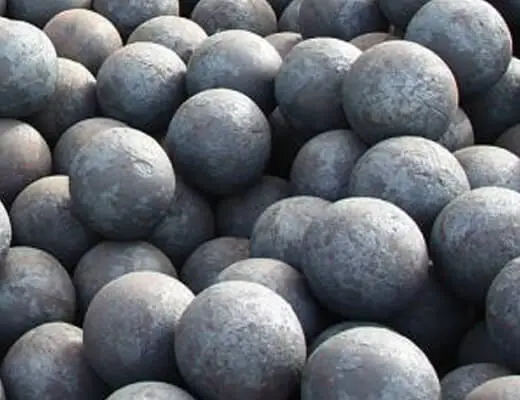
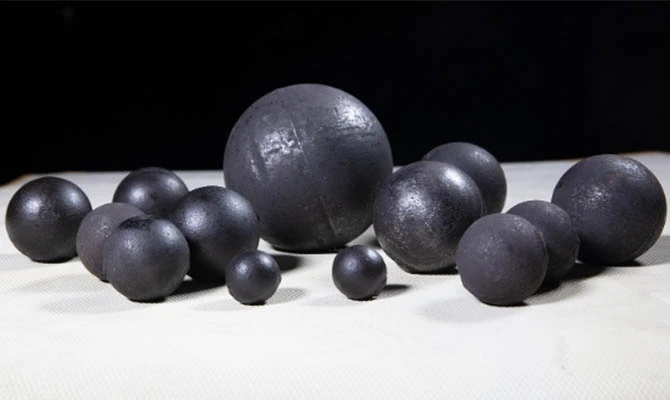
Chrome ball is a popular choice in steel grinding balls due to its excellent wear resistance and impact toughness. These properties make steel balls particularly desirable for robust milling operations where they endure substantial physical forces and require the added strength from a steel melting furnace. In contrast, ceramic balls utilize advanced ceramics like alumina or zirconia, benefiting operations that prioritize purity and lower wear contamination, important in sectors like pharmaceuticals or food processing.
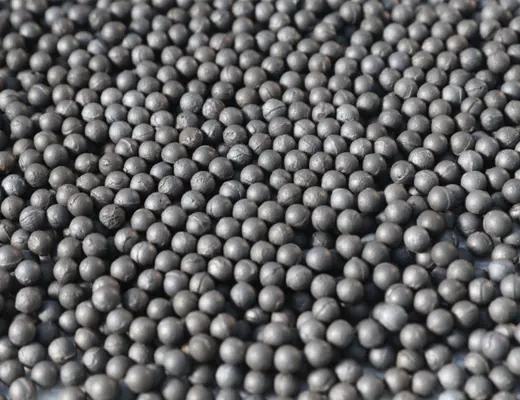
The durability of grinding balls plays a crucial role in the overall efficiency and cost-effectiveness of milling operations. Steel and ceramic balls exhibit unique properties in durability and wear resistance, often determining their application suitability.
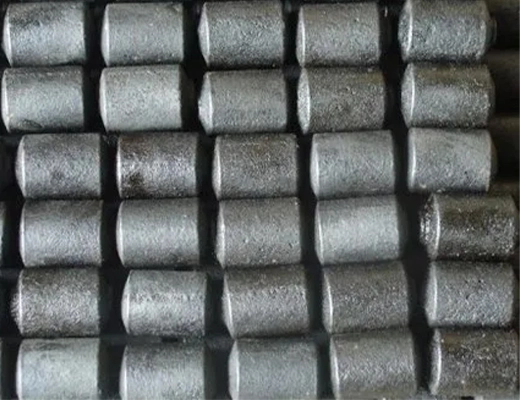
Steel balls are well-regarded for their toughness and impact resistance, particularly in high-pressure and high-impact grinding settings. The use of a quenching furnace and induction heat treatment enhances the mechanical strength of these balls, contributing to their long operational life. The durability of steel balls makes them ideal for high-intensity milling tasks such as those involving steel mills or foundry furnaces.
On the other hand, ceramic grinding balls boast exceptionally high hardness and wear resistance, attributes that are invaluable in situations where contamination from the grinding media needs to be minimized. The low wear profile of ceramic balls is complemented by their lesser tendency to gall or chip, extending their life even in abrasive grinding environments. This characteristic makes them suitable for applications where product purity is crucial, such as in the processing of non-metallic minerals or advanced ceramics.
Understanding the cost implications of choosing between steel and ceramic grinding balls impacts the total investment in milling operations. The initial cost, maintenance, and overall lifecycle expenses are key considerations.
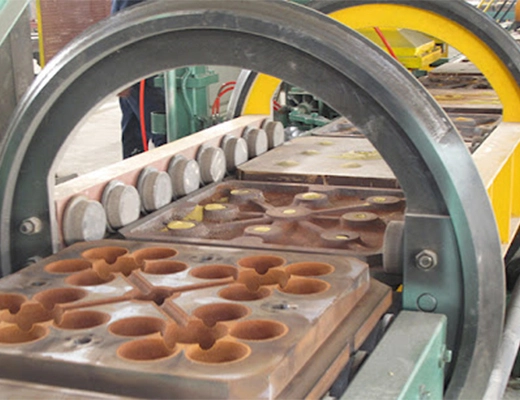
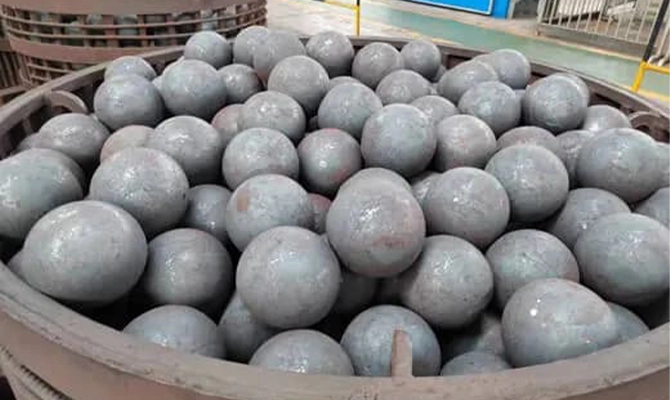
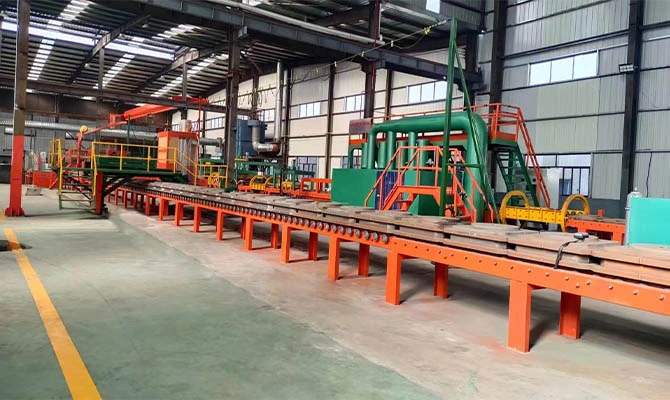
Steel balls, produced using cast iron molds and refined in melting and casting furnaces, generally have a lower upfront cost compared to ceramic balls. Their production process, supported by technologies like annealing furnaces, offers economies of scale, making them a cost-effective option for operations that can accommodate the additional wear and tear cost.
Conversely, ceramic balls inherently involve a higher initial cost due to the sophisticated manufacturing techniques and materials involved. However, their longer life span and minimal contamination issues often justify the premium pricing over time, especially in industries where minimizing contamination and wear-induced product loss can translate into significant savings.
The operating environment—whether wet or dry—affects the performance metrics of grinding balls, influencing the choice between steel and ceramic.
In wet grinding scenarios, where water or fluid solutions serve as a medium, steel balls are often the preferred choice. The natural resilience and density of steel balls provide the necessary energy transfer required for effective grinding in wet environments. Their use is commonplace in industries with induction melting furnaces where steel’s properties shine under varied conditions.
In contrast, ceramic balls are often more advantageous in dry grinding due to their low contaminative nature and hardness. The non-reactive properties of ceramic make them ideal for grinding tasks where introducing rust or metal from wear could compromise the material's integrity, such as in specialized chemical industries.
Selecting the most suitable type of grinding ball hinges on the specific needs of a milling operation. Industry-specific requirements and the material properties of each ball type suggest optimal use cases.
Steel grinding balls, given their robustness, are typically utilized in heavy industrial applications involving iron balls or steel ball production, where intense friction and impact are frequent. Their magnetic properties also assist in materials separation in various processes.
Ceramic grinding balls, with their superior wear resistance and low contamination levels, are favored in industries like healthcare, where maintaining a sterile environment is paramount, or in high-technology sectors like electronics where precision and purity retain high stakes.
The decision between ceramic and steel should also consider factors like equipment compatibility, desired fineness of grind, and operational conditions, making it an intricate choice that combines x-axis and y-axis components of cost, performance, and material handling.
Ultimately, consulting with manufacturers and suppliers offering a range of ball mill balls for sale can provide more personalized guidance suited to the nuances of specific grinding needs.
Choosing the right grinding ball type for a given application is not simply a matter of cost, but of understanding the nuances in material properties and performance outcomes. This comprehensive comparison highlights that while steel grinding balls offer economical and durable solutions for high-stress grinding applications, ceramic grinding balls provide unmatched performance in applications where contamination must be minimized and product purity is crucial. By evaluating factors such as material composition, cost, performance in different grinding environments, and specific use cases, businesses can make informed decisions that optimize their milling operations. Whether looking into market options of mill balls for sale or seeking custom grinding solutions, leveraging knowledge of these differences ensures improved operational efficiency and a higher return on investment.
 Feb 28 2025
Oct 12 2025
Feb 28 2025
Oct 12 2025 We assured you that your personal information will be kept confidential. The personal data we collect is only used to process your inquiry.
 English
 한국어
한국어 français
 Deutsch
 Español
 italiano
 русский
 português
 العربية
 Türkçe
 tiếng việt