
Oct 12, 2025
In the world of milling and grinding, selecting the appropriate grinding ball size is pivotal to maximizing efficiency and achieving optimal results. From enhancing the performance of ball mills to ensuring durability and energy efficiency, the size of the mill balls you choose has a significant impact. This guide explores the factors influencing size selection, the standard size ranges available, how the size affects mill performance, calculation methods for determining the right size, and common mistakes to avoid. For those seeking insights into the process of mining, metallurgy, or simply looking for ball mill balls for sale, this comprehensive resource offers valuable information.
Choosing the right size of grinding balls involves understanding the key factors that influence the milling process. These factors include the hardness and density of the milling material, the type of mill ball used, and the desired result of the milling process. For harder materials, larger balls provide the necessary impact force for effective grinding, whereas softer materials require smaller balls for efficiency.
| Factor | Consideration | Impact |
|---|---|---|
| Material Hardness | Soft vs. Hard | Harder materials need larger grinding balls |
| Mill Type | Ball Mill, Pebble Mill | Different mills require different ball sizes |
| Milling Goal | Coarse vs. Fine Grind | Fine grinding needs smaller mill balls |
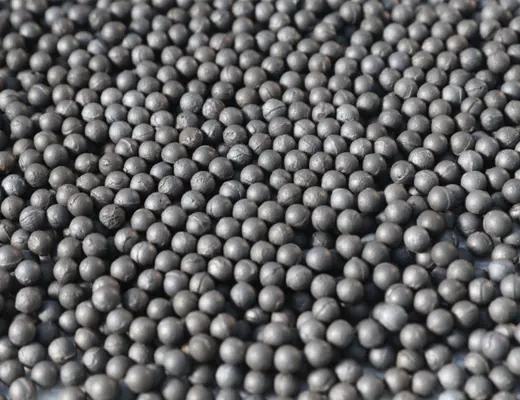
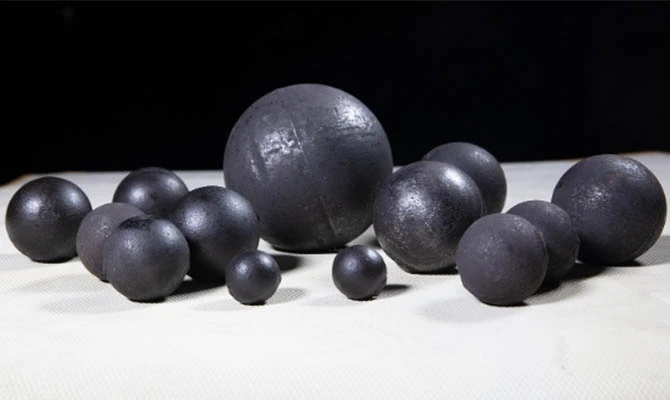
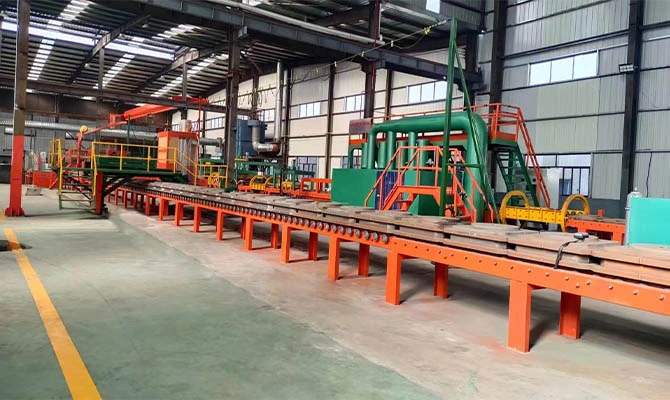
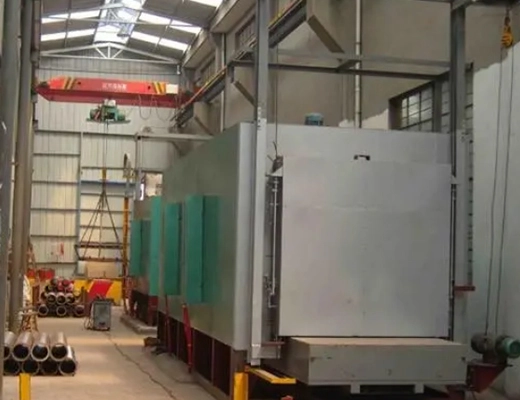
The standard sizes of grinding balls generally range from a diameter of a few millimeters to several centimeters, catering to diverse milling needs. Sizes can vary depending on the casting furnace used in their production and are often classified by their diameter. For instance, chrome ball and steel ball are popular choices offered by manufacturers for varying applications. The chosen size also depends on the operational setup of the foundry furnace and the specifications of the quenching furnace involved in the heat treatment process.
The size of the grinding ball affects various aspects of mill performance, including efficiency, cost-effectiveness, and product quality. Larger balls offer more impact force and are ideal for initial coarser grinding, while smaller balls provide finer grinding results. The right size can improve energy efficiency, reduce wear on mill internals, and optimize product particle size. The interplay between ball size and mill operation is pivotal in maximizing throughput and minimizing energy usage.
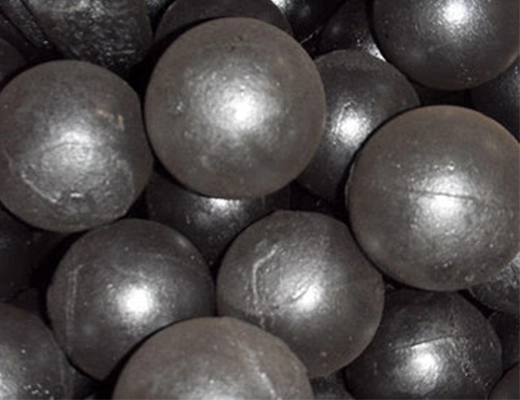
Determining the correct mill ball size involves calculation methods that consider specific parameters. These methods may factor in the diameter of the mill, hardness of the material, speed, and critical speed of the mill. Engineers often use empirical equations and adjust based on trial runs and the performance data collected. Properly sizing grinding balls not only optimizes milling efficiency but also extends the lifespan of the melting forge tools like cast iron molds and annealing furnace components.
Selecting the wrong size of grinding balls can lead to inefficiencies and increased operational costs. One common mistake is to assume that larger balls will always produce a quicker reduction in particle size, ignoring that each material has a specific size that will yield optimal performance. Operators must also be cautious of outdated assumptions about mill balls for sale that may not consider the latest advancements in design and materials used in steel melting furnaces. Regular assessment of mill performance and adjusting ball sizes will ensure optimal operation.
The right size of grinding balls is essential to achieve the best milling results, whether you are dealing with an induction melting furnace for small-scale applications or a large-scale quenching furnace operation. By understanding the factors influencing size selection, standard ranges, their impact on performance, and calculation methods, you can avoid common pitfalls. This knowledge empowers operators and decision-makers in the industry, helping them make informed choices that boost efficiency and productivity. For both new installations and existing systems, choosing wisely between available mill balls for sale can be a game-changer in processing efficiency.
We assured you that your personal information will be kept confidential. The personal data we collect is only used to process your inquiry.
 English
 한국어
한국어 français
 Deutsch
 Español
 italiano
 русский
 português
 العربية
 Türkçe
 tiếng việt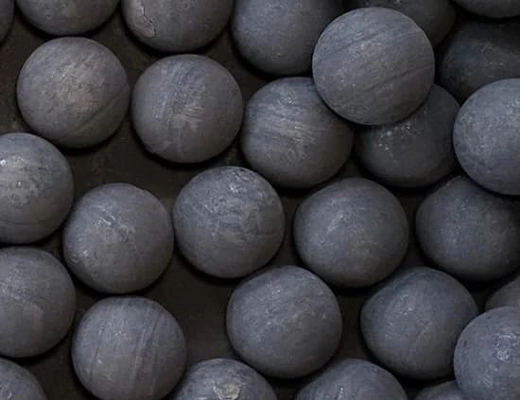
 May 28 2025


