
Oct 10, 2025
In industrial milling processes, understanding the differences between high chrome and low chrome grinding balls is crucial for optimizing performance and cost efficiency. These components are essential in breaking down materials, significantly impacting the quality and efficiency of the milling process. Selecting the appropriate type of grinding balls can influence the productivity of operations across various industries, from mining to cement production. This article explores key differences, including chromium content, wear resistance, cost considerations, performance in high-impact environments, and industry recommendations to guide better decision-making for industrial operations.
The primary distinction between high chrome and low chrome grinding balls lies in their chromium content, which influences their performance characteristics. High chrome balls typically contain chromium content of 10% to 30%, whereas low chrome grinding balls contain about 1% to 3% chromium, which significantly affects their durability, toughness, and grinding efficiency.
Chromium is an essential element in steel melting furnaces and casting furnaces processes, contributing to hardness and corrosion resistance. In high chrome grinding balls, the elevated chromium levels create a hardened surface layer, increasing wear resistance. This characteristic is beneficial for applications involving highly abrasive materials.
Low chrome balls, while less expensive to produce, may not offer the same level of durability as their high chrome counterparts, making them more suitable for less demanding applications. Understanding the composition and intended application of grinding balls is fundamental when considering their use in industrial operations.
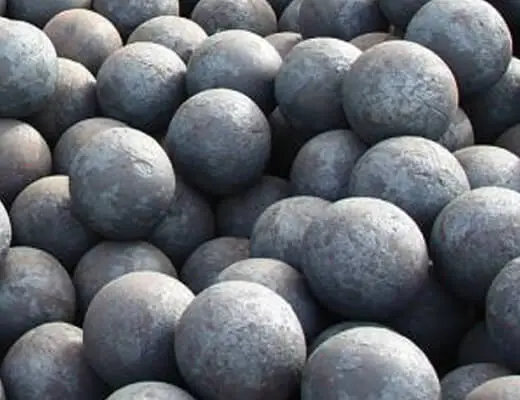
Wear resistance is a critical factor in evaluating the performance of grinding balls, especially in high-wear environments like those found in mining and mineral processing. High chrome grinding balls exhibit exceptional wear resistance due to their hardened surface and innate toughness from the high chromium content.
Research suggests that the wear rate of high chrome balls is significantly lower than that of low chrome balls, making them a favorable choice for prolonged use in wear-intensive applications. This characteristic reduces the frequency of replacement and maintenance, ultimately leading to cost savings.
Heat treatment furnaces and induction heat treatment are often utilized to enhance the properties of high chrome balls further. The post-production heat treatment process can optimize the hardness properties, improving the performance of grinding balls under various operational conditions.
While the superior performance of high chrome grinding balls comes at a higher initial cost, they often result in long-term cost savings. Their enhanced durability and low wear rate mean reduced replacement frequency and lower maintenance costs, translating into economic benefits over time.
Conversely, low chrome balls have a lower upfront cost, making them an attractive option for operations with strict budget constraints. However, their higher wear rate can lead to frequent replacements and potential increases in operational downtime.
Companies must weigh the initial investment against potential long-term savings when selecting between high chrome and low chrome grinding balls. Conducting a thorough cost-benefit analysis considering material performance, operational conditions, and projected lifespan can aid in making an informed decision.
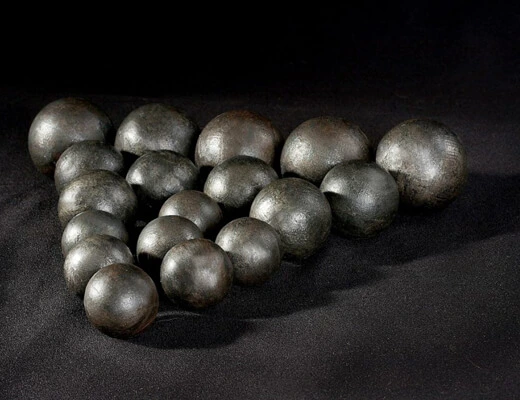
In environments with high grinding intensity and frequent impact events, such as those involving mill balls and grinding balls, the choice between high chrome and low chrome grinding balls can significantly influence operational efficiency.
High-impact environments benefit from the robustness of high chrome grinding balls, whose durable structure can withstand repeated impacts without significant degradation. In contrast, low chrome grinding balls may deform or wear down more quickly under similar conditions, potentially compromising the grind's effectiveness.
The performance of grinding balls in such environments can also be affected by their interaction with other milling media, such as milling balls. Ensuring compatibility between different grinding media can optimize the grind's effectiveness, improve throughput, and enhance the final product's quality.
Choosing between high chrome and low chrome grinding balls often depends on the specific requirements of the industry and the intended application. For heavy-duty applications with high abrasion, high chrome grinding balls are typically recommended due to their excellent wear resistance and reliability.
Industries like mining, which involve ball mills extensively, can benefit from the longevity and performance of high chrome grinding balls, improving operational efficiency and reducing costs associated with media consumption.
For less demanding applications, where cost constraints are a primary consideration, low chrome grinding balls may be used, provided that frequent maintenance and replacements are acceptable. Consultations with industry experts and grinding ball manufacturers can provide valuable guidance in choosing the appropriate grinding media for specific operational needs.
The choice between high chrome and low chrome grinding balls carries significant implications for industrial milling processes. By weighing differences in chromium content, wear resistance, cost implications, performance in high-impact environments, and industry recommendations, companies can make informed decisions that align with their operational goals.
High chrome grinding balls offer distinctive advantages in durability and performance, particularly in demanding applications, while low chrome balls may be suitable for operations with limited budget constraints. Understanding these considerations is vital for optimizing the efficiency and cost-effectiveness of milling operations across various industries.
Interested parties can learn more about material specifications and acquire mill balls for sale through reputable suppliers and industry networks. For further information and expert insights, reference reputable industry publications and consult with suppliers like ABC Industrials, renowned for their extensive inventory of chrome ball options and specialized advisory services in grinding media selection.
We assured you that your personal information will be kept confidential. The personal data we collect is only used to process your inquiry.
 English
 한국어
한국어 français
 Deutsch
 Español
 italiano
 русский
 português
 العربية
 Türkçe
 tiếng việt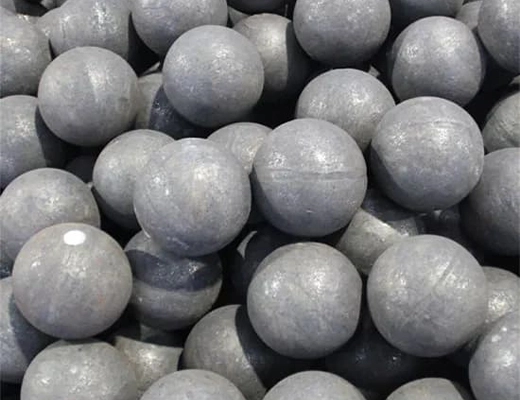
 Jan 12 2025


