
Oct 08, 2025
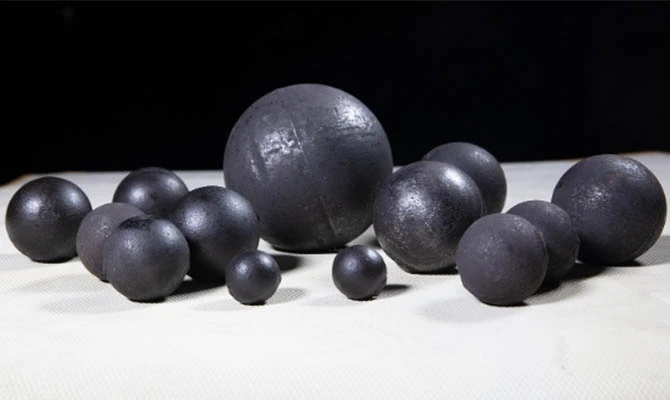
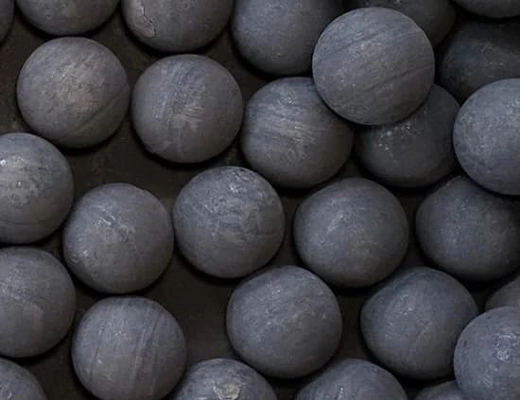
Grinding balls are fundamental to the mining industry, serving as an essential component in ore processing operations. These mill balls are utilized for their ability to crush and grind ores into smaller particles, facilitating the extraction of valuable minerals. This article provides a detailed exploration of the importance of grinding balls in mining, examining their role in ore processing, variety, impact on mineral extraction, real-world applications, and maintenance tips to ensure longevity. Whether you are considering casting furnace technologies or looking to purchase mill balls for sale, this guide offers comprehensive insights into optimizing grinding operations.
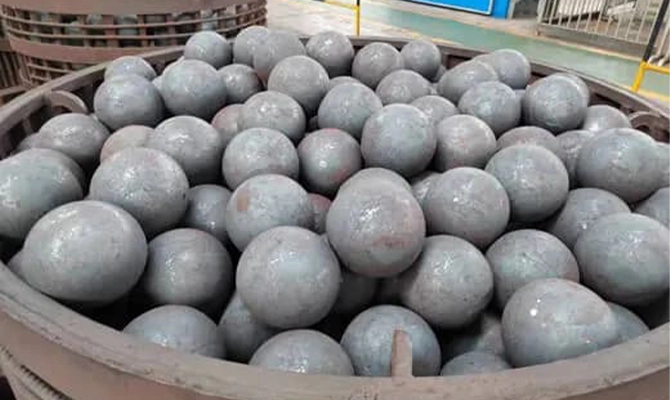
The mining industry relies heavily on grinding balls for efficient ore processing. The fundamental principle behind using grinding balls is their ability to apply mechanical force to break down ore particles. This process is critical in liberating mineral elements from the surrounding rock matrix. When ore is introduced into foundry furnace or melting forge environments, grinding balls for mining vigorously collide with them, effectively crushing them into fine powders suitable for further processing in a steel ball or chrome ball mill.
Ore Process Stage | Grinding Ball Feature | Benefit |
Initial Comminution | High density iron ball | Efficient impact force |
Secondary Crushing | Durable cast iron molds | Resist wear and tear |
Final Grinding | Precision milling balls | Consistent particle size |
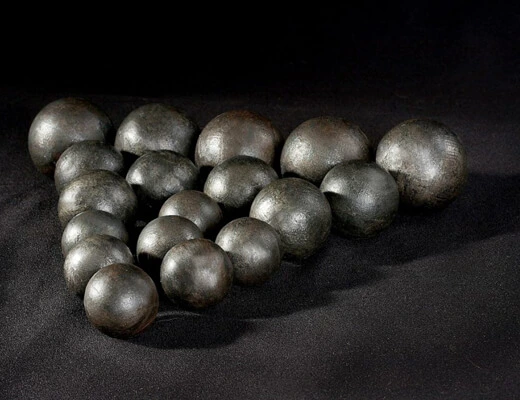
The variety in grinding balls is extensive, each type tailored for specific mining applications. Steel melting furnace technology allows for different manufacturing processes to produce balls suited for varying operating conditions. Common types include chrome balls, known for their hardness and corrosion resistance, and grinding media made from cast iron casting molds, which offer exceptional durability. Additionally, ball mill balls for sale come in diverse shapes and sizes tailored to specific grinding tasks.
Grinding Ball Type | Material | Application |
Chrome Steel Balls | Chrome alloy | Hard ore processing |
Forged Steel Balls | Carbon steel | General mining |
Cast Iron Balls | Iron & carbon mix | Softer ores |
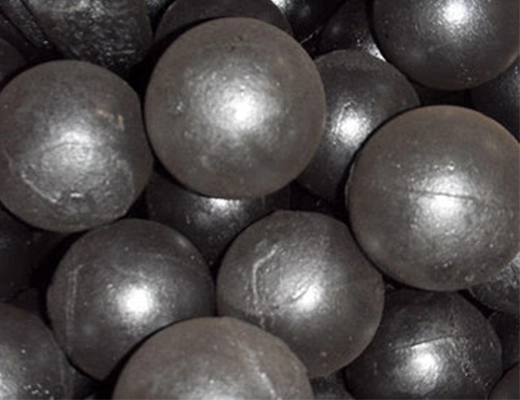
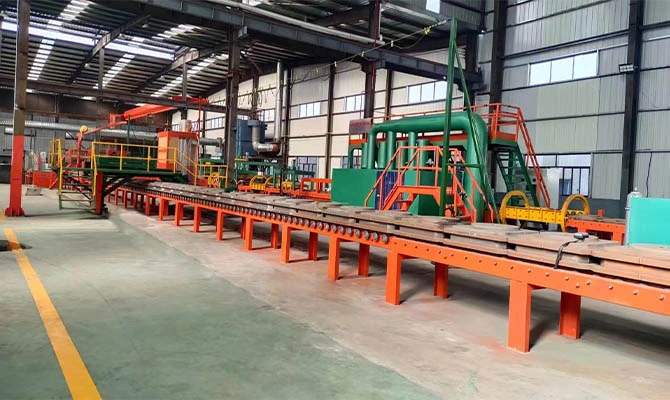
Grinding balls significantly affect mineral extraction by influencing the efficiency and cost-effectiveness of the process. Quenching furnace and induction melting furnace technologies are often implemented for heat-treating these balls, enhancing their mechanical properties. Superior durability and consistent performance increase throughput in grinding operations, leading to lower operational costs and improved mineral recovery rates. Utilizing heat treatment furnaces can boost the hardness and wear resistance, making these balls highly effective even in challenging environments.
Impact Factor | Result | Efficiency Benefit |
Enhanced Hardness | Longer wear life | Reduced replacement cost |
Uniform Shape | Consistent grinding | Better mineral recovery |
Optimized Design | Improved throughput | Higher productivity |
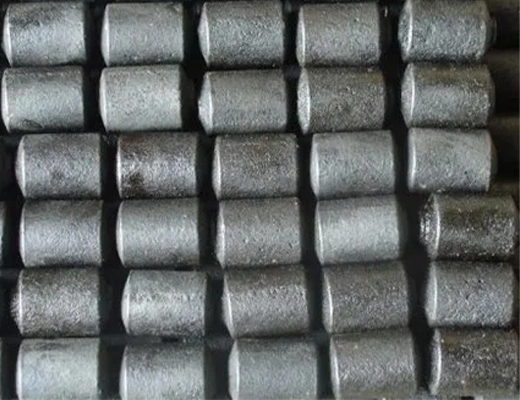
Numerous mining projects have showcased the advantages of using optimized grinding balls. For instance, a gold mining operation in Peru reported a 10% increase in ore throughput after transitioning to a new heat treatment machine for their iron ball production. Similarly, a copper mine in Chile achieved significant cost reductions by adopting induction heat treatment for ball adaptation. These examples underline the critical role that well-chosen grinding balls play in enhancing extraction processes and operational efficiency.
Project Site | Adaptation | Benefit |
Gold Mine, Peru | Improved quenching furnace | Increased throughput |
Copper Mine, Chile | Advanced annealing furnace | Cost reduction |
Coal Mine, Australia | Optimized milling balls | Enhanced recovery |
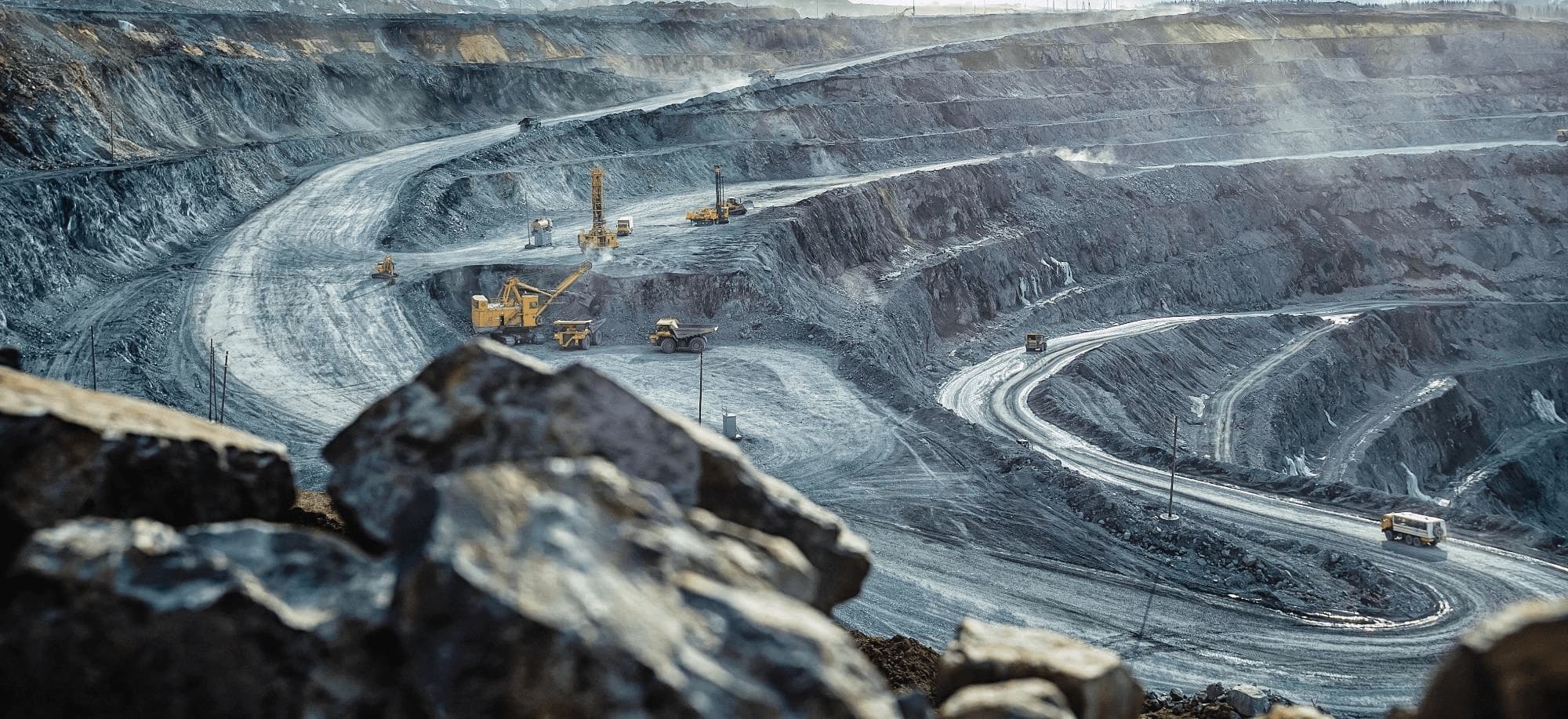
Ensuring the longevity of grinding balls involves strategic maintenance practices. Regular inspections and adjustments using heat treatment machine protocols are paramount. Checking for wear patterns can suggest when replacement, rather than repair, is more economical. Employ methods such as induction heat treatment realizations to maintain the mechanical integrity and performance levels of the grinding balls. Proper handling and storage in well-maintained facilities are also crucial to sustaining their quality and functionality over extended operational cycles.
Maintenance Task | Procedure | Longevity Benefit |
Inspection | Visual and mechanical checks | Detect early wear signs |
Adjustment | Pressure and angle settings | Optimize grinding efficiency |
Storage | Controlled environments | Prevent premature deterioration |
In conclusion, the use of grinding balls in mining operations is an essential component for efficient ore processing and mineral extraction. By understanding their production, functionality, and maintenance, businesses can better optimize their use and reap the benefits of improved recovery rates and cost savings. The decision between mill balls and specialized heat-treated variants, along with their specific applications, guides purchasing choices and operational strategies. Whether it's exploring induction melting furnace advancements or targeting specific mineral extraction processes, the role of grinding balls remains pivotal in the mining industry.
We assured you that your personal information will be kept confidential. The personal data we collect is only used to process your inquiry.
 English
 한국어
한국어 français
 Deutsch
 Español
 italiano
 русский
 português
 العربية
 Türkçe
 tiếng việt
 Sep 10 2025


