
Oct 26, 2025
Grinding balls are an essential component in the grinding process of various industries, including mining, cement, and chemical processing. These spherical balls are manufactured with precision to ensure optimal performance in mills where they serve to break down larger materials into finer particles. This article provides a comprehensive overview of grinding balls, exploring their definitions, materials used in their construction, operational mechanics in mills, key industries relying on them, and the advantages of choosing high-quality grinding balls.
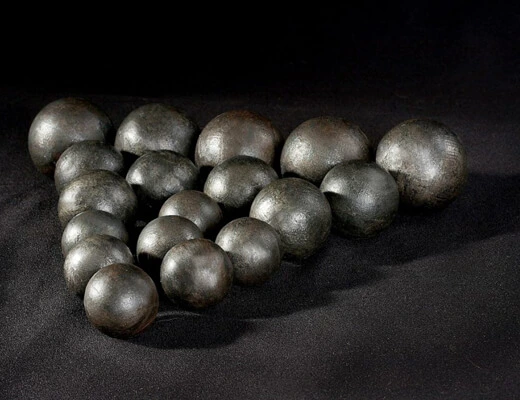
Grinding balls are spherical balls made from materials like steel and cast iron molds. They serve a critical role in ball mills, continuously reducing large chunks of raw materials into finer, more manageable sizes. By absorbing impacts and providing an abrasion action, they facilitate the comminution process within mills, ensuring efficient size reduction while maintaining the mechanical integrity of the milling process.
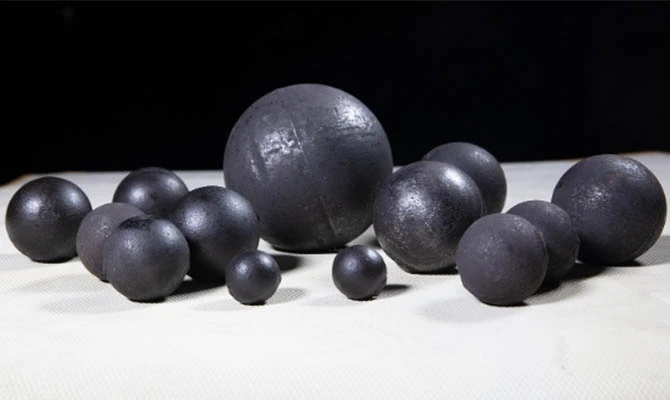
The selection of grinding balls often follows a standardized process to meet specific industrial requirements. These balls come in varying sizes and materials, ensuring compatibility with diverse mill types and processes. Understanding the right type of grinding ball for a particular application maximizes efficiency and operation longevity.
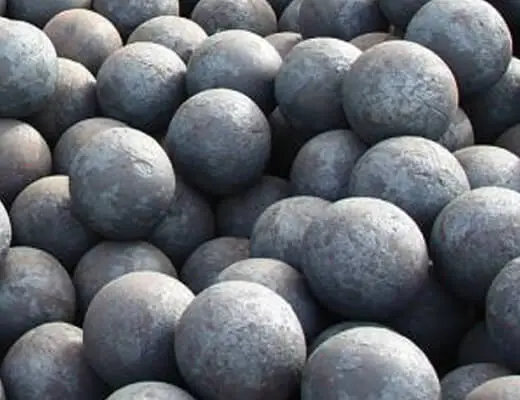
The choice of material in manufacturing grinding balls significantly influences their performance. Different materials provide unique advantages tailored to specific industrial applications, optimizing grinding efficiency and durability.
| Material | Properties | Applications |
|---|---|---|
| Steel | High impact resistance, durability | Mining, cement milling |
| Cast Iron | Wear resistance, cost-effective | Chemical processing |
| Ceramic | High wear resistance, chemical inertness | Fine grinding in advanced materials |
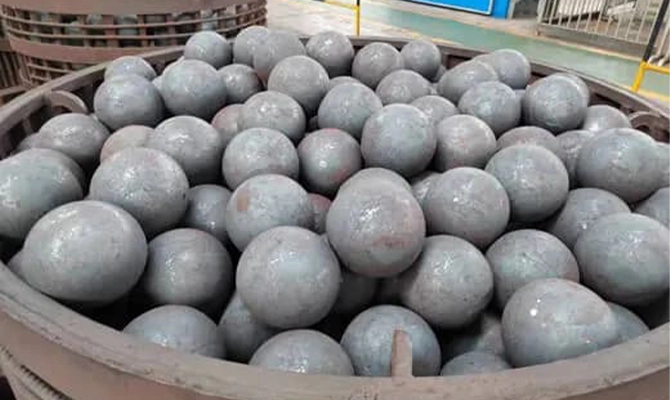
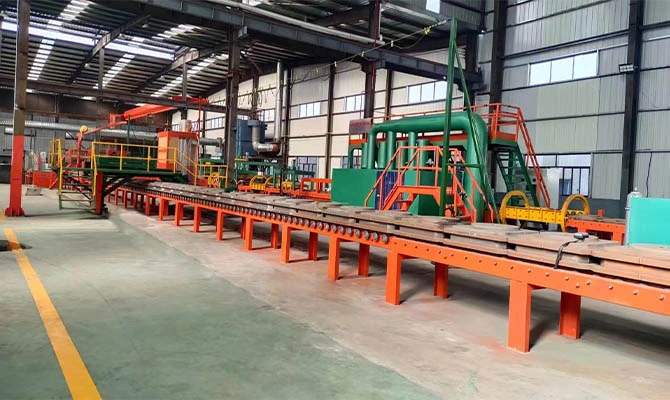
Steel grinding balls are particularly popular, manufactured in a steel melting furnace and treated using induction heat treatment to enhance their durability. Heat treatment machines and quenching furnaces further process these balls, ensuring they meet the stringent requirements essential for prolonged operational use.
The functionality of grinding balls in mills revolves around their ability to transfer energy to the raw material through collision and friction. In a ball mill, the rotating motion of the mill causes the grinding balls to rise and fall, effectuating the grinding process.
Understanding this action involves the study of varying parameters like the speed of the mill, the size, and the density of the grinding media, which includes mill balls for sale in different specifications. This mechanical process is significantly enhanced when the chrome ball coating or heat treatment furnaces are employed, extending the service life of these balls.
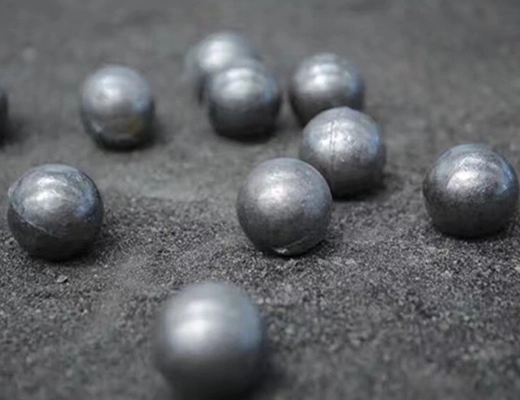
Several industries rely on the efficiency and reliability of grinding balls. These include:
Mining Industry: Utilizing grinding balls in milling ores facilitates the extraction of valuable minerals.
Cement Industry: In cement production, grinding balls pulverize clinkers to achieve specified cement particle sizes.
Chemical Industry: Chemicals are broken down into finer particles, optimizing chemical reactions.
In these sectors, precision and quality of the grinding media are paramount. As such, manufacturers frequently seek out high-grade grinding balls and mill ball providers to meet production demands while adhering to industry standards.
Choosing high-quality grinding balls offers several benefits that can greatly affect the efficiency and cost-effectiveness of the milling process:
Enhanced Durability: High-quality balls resist wear and tear, reducing replacement frequency and downtime.
Improved Efficiency: Consistent and reliable performance leads to optimal milling and finer product outputs.
Cost-Efficiency: Longer-lasting grinding media leads to lower operational costs over time.
Investing in superior quality grinding balls from top manufacturers ensures sustained operational productivity. With offerings ranging from mild steel to specialized iron balls, the diversity of materials caters to unique industrial demands.
In conclusion, understanding the core function and application of grinding balls can significantly enhance industrial operations. By ensuring proper material selection and maintaining rigorous quality controls, industries can streamline processes and achieve desired outcomes more efficiently.
This is the first one.
We assured you that your personal information will be kept confidential. The personal data we collect is only used to process your inquiry.
 English
 한국어
한국어 français
 Deutsch
 Español
 italiano
 русский
 português
 العربية
 Türkçe
 tiếng việt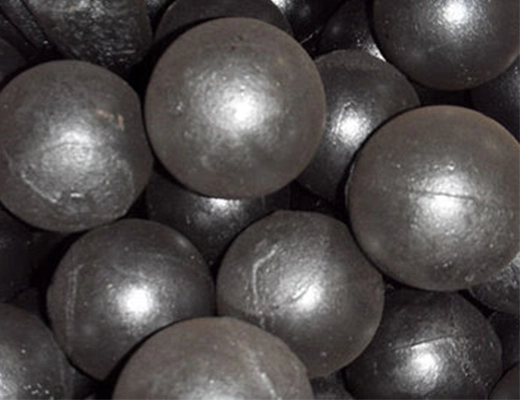
 Oct 06 2024


